April 4, 2013

Louisiana Motorcycle Accident Lawyer Enjoys Blowout's Biker Bash Rally

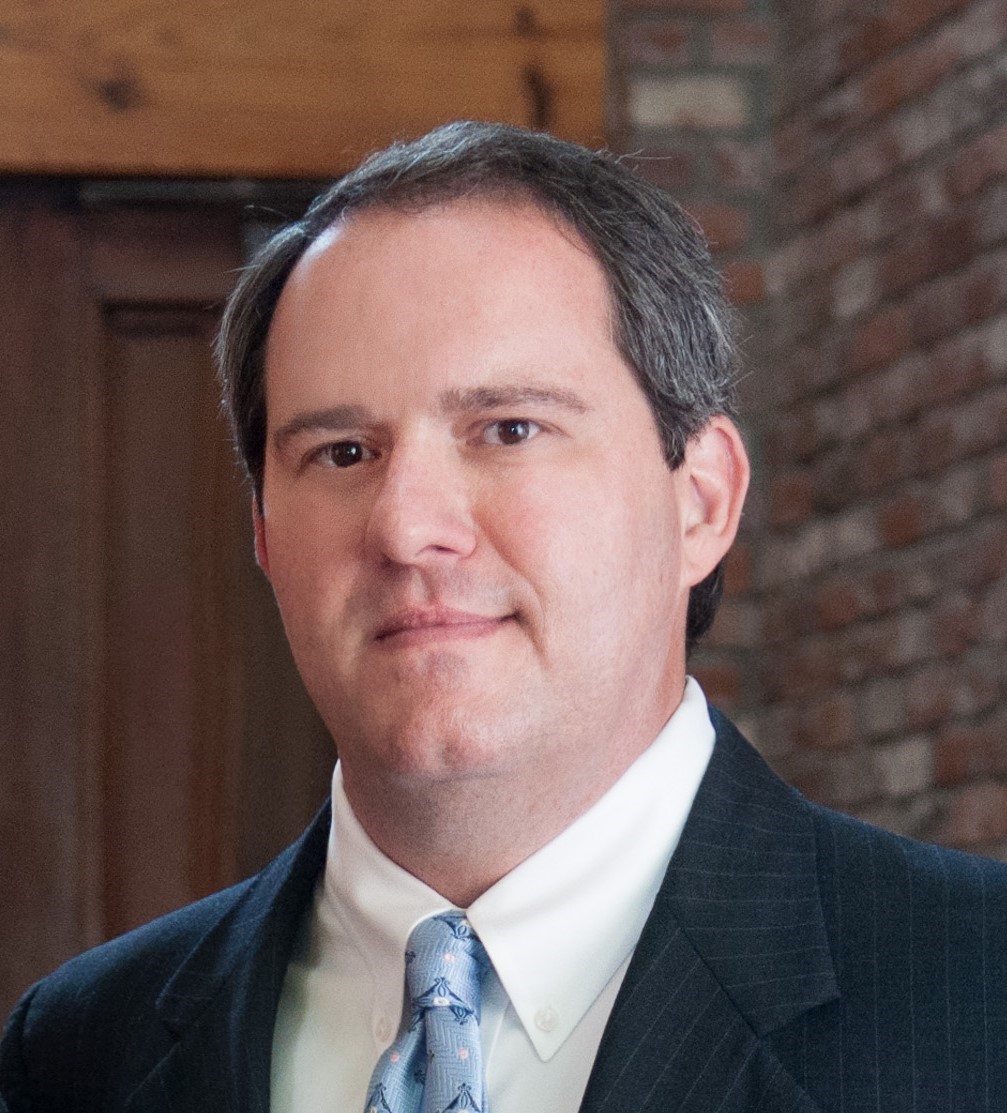
Baton Rouge, Louisiana motorcycle accident lawyer, Scott Andrews, of the Louisiana motorcycle injury law firm of Due', Price, Guidry, Piedrahita & Andrews sends many thanks to Redman Pools and the Blowout's for the fabulous Blowout's 2nd Annual Biker Bash Rally at the Galveston County Fairgrounds in Hitchcock, Texas in March 2013. "Riding my new Harley Road Glide from Baton Rouge, Louisiana through Pecan Island, across the Gulf Coast and through Port Arthur, Texas on the way to Galveston was a visual smorgasbord of everything great Louisiana and Texas have to offer," says Andrews. A great time was had by all at the Biker Bash Rally!! Ride Safe and Ride Often!

Continue reading "Louisiana Motorcycle Accident Lawyer Enjoys Blowout's Biker Bash Rally" »

February 20, 2013

2013 LOUISIANA SUPER LAWYERS Lists All Members of Due', Price, Guidry, Piedrahita & Andrews

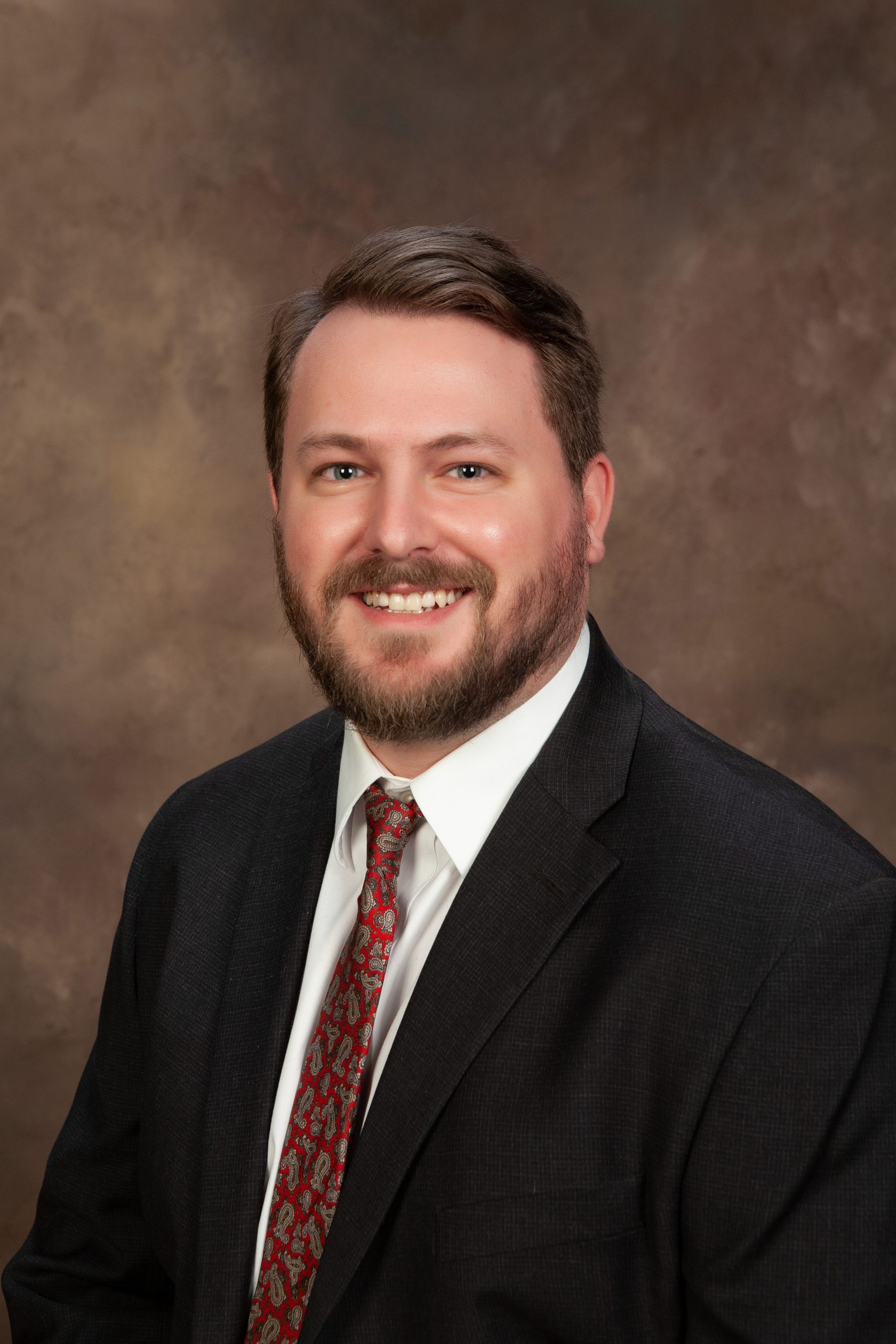
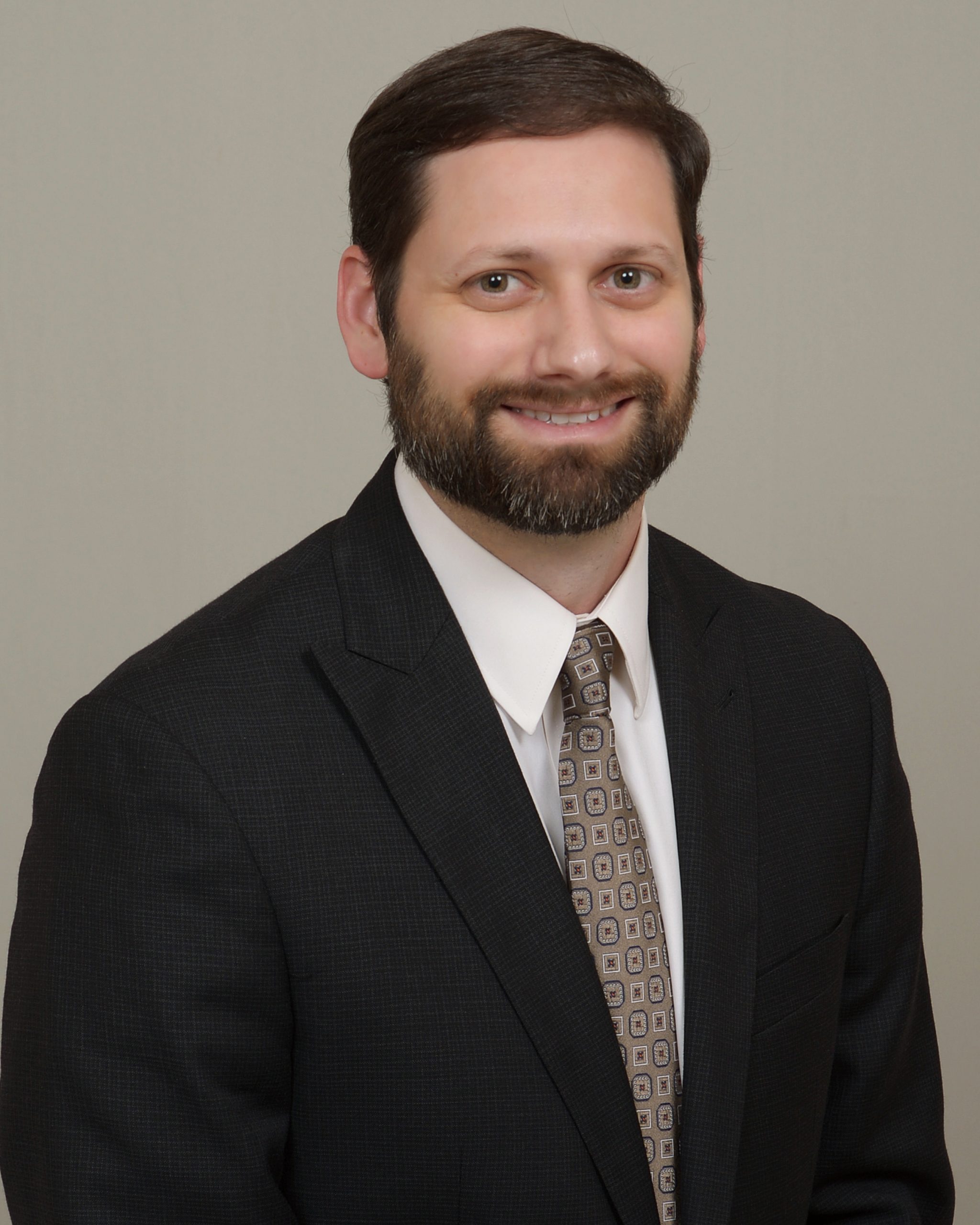
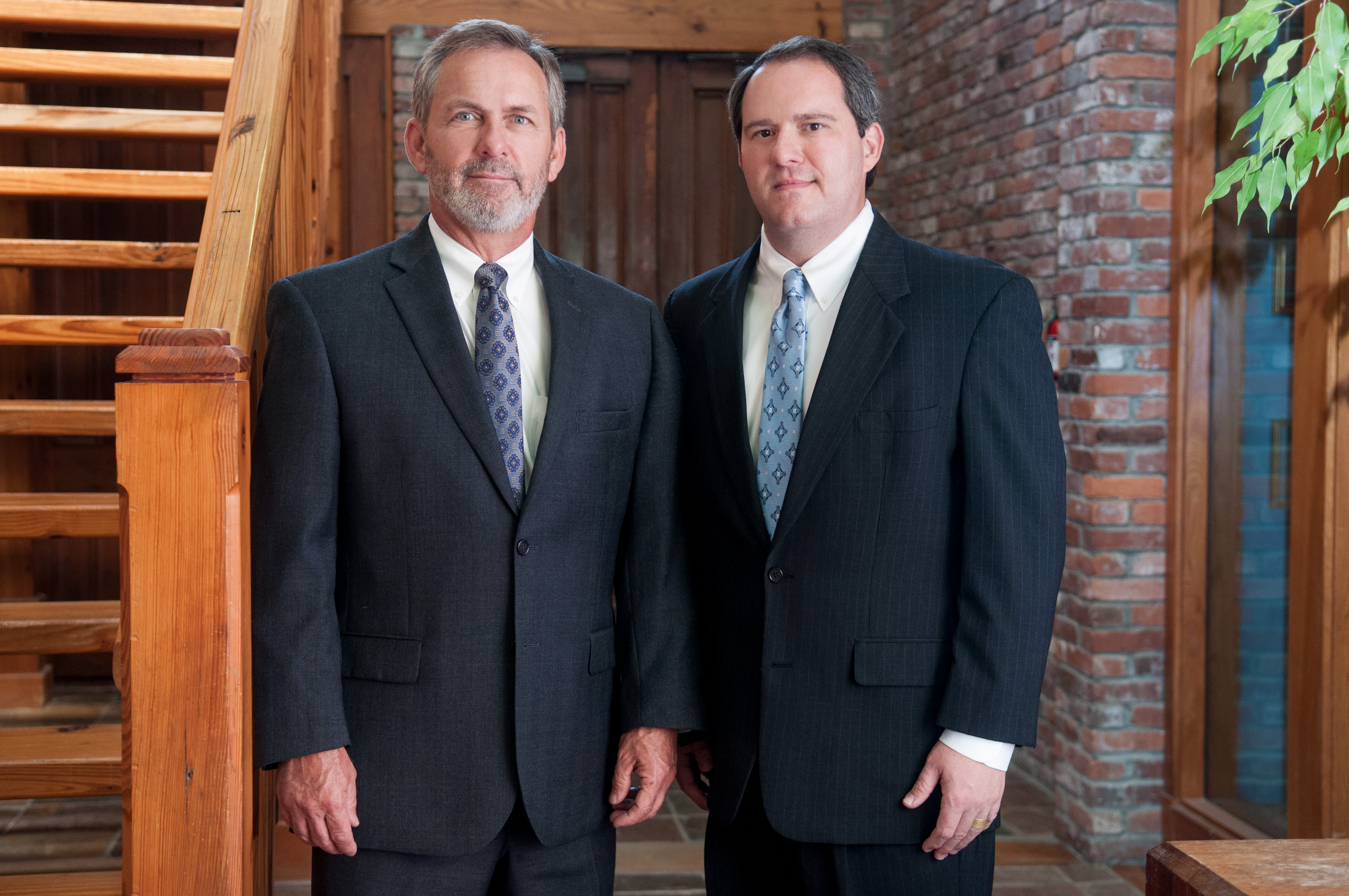
Firm Photo 2.jpgEvery member (Paul H. Due', Donald W. Price, Kirk A. Guidry, Randy A. Piedrahita and B. Scott Andrews) of the Baton Rouge, Louisiana personal injury law firm of Due', Price, Guidry, Piedrahita & Andrews has been named to the 2013 Super Lawyers list for Louisiana. The reason is clear - more than 25 years handling referrals of complex and difficult personal injury cases from lawyers around the world. This success is rooted in academia, with all firm members having graduated at the top of their law school class and having served as members of or as editors of their Law Reviews. The firm boasts former Louisiana Supreme Court and U.S. Fifth Circuit law clerks, Adjunct Professors of Law, past Presidents of the Louisiana Association for Justice, and both a former Louisiana appellate judge and an esteemed University of Texas Law Professor "of counsel".

This background, combined with hard work and extensive experience, has led to hundreds of millions of dollars in settlements and verdicts. This success has been shared with the many attorneys who refer cases to the firm - who find the firm's experience and funding assistance invaluable in representing their clients.

The members of Due', Price, Guidry, Piedrahita & Andrews combine their academic backgrounds, practical trial experience and financial "staying power" to add up to success for clients and the lawyers trusting the firm with referrals.

Continue reading "2013 LOUISIANA SUPER LAWYERS Lists All Members of Due', Price, Guidry, Piedrahita & Andrews" »

November 11, 2012

Life Insurance and Insurable Interest

In Louisiana, any individual procuring life insurance may name any person as the beneficiary.

No person can procure a life insurance contract upon the life of another person, unless payable to the individual insured or his personal representatives, or to a person with an insurable interest in the individual insured at the time the contract was made. Insurable interest includes only

1. In the case of individual related closely by blood or by law, a substantial interest engendered by love and affection.

2. In the case of other persons, a lawful and substantial economic interest in having the life, health or bodily safety of the individual insured continue.

3. Certain business relationships gives rise to an insurable interest.

A spouse may effectuate life insurance upon the other spouse without his/her consent.

Any person having an insurable interest in the life of a minor, or any person upon whom a minor is dependent for support and maintenance, may effectuate insurance upon the life of the minor.

November 10, 2012

Louisiana Life Insurance Incontestability Clause and Suicide Defense

Life insurance policies delivered or issued for delivery in Louisiana shall contain a provision that the life insurance policy shall be incontestable after the policy has been in force during the lifetime of the insured for a period of two years from its date of issue, except for non-payment of premium.

Additionally, no policy shall exclude or restrict coverage in the event of death occurring as a result of self-destruction while sane or insane after two years from the date of issue of the policy. There is a presumption against suicide. The insurer bears the burden of proving the deceased insured committed suicide to the exclusion of every other reasonable hypotheses of death by any other means. However, it is not required to offer proof sufficient to eliminate every speculative, fantastic, conjectural, frivolous, and imaginary hypothesis of death in any other way.

November 8, 2012

Louisiana Trial Attorney, Donald W. Price, Selected for Inclusion in Best Lawyers In America 2013

Thumbnail image for Donald W. Price.jpgBaton Rouge, Louisiana, personal injury trial attorney, Donald W. Price, has been selected by his peers to be included in The Best Lawyers in America, 19th edition for his work in the practice areas of Personal Injury Litigation, and Medical Malpractice. Through this distinction Donald W. Price has proven to be a consistent and dedicated member of the law community.

Selection for Best Lawyers is based on an exhaustive and rigorous peer-review survey comprised of more than 4 million confidential evaluations by the top attorneys in the country. Our annual Best Lawyers publication has been described by The American Lawyer as "the most respected referral list of attorneys in practice." Because no fee or purchase is required, being listed in Best Lawyers is considered a singular honor.

Best Lawyers in America is one of the most visible and targeted peer review publications in the legal profession.

November 6, 2012

Baton Rouge Trial Lawyer, Paul H. Due', Selected for Inclusion in Best Lawyers in America 2013

Paul Due profile.jpgBaton Rouge, Louisiana personal injury trial lawyer, Paul H. Due', has been selected by his peers to be included in The Best Lawyers in America, 19th edition for his work in the practice areas of Admiralty & Maritime Law, Personal Injury Litigation, and Product Liability Litigation. Listing in the 2013 edition marks fifteen years since Paul H. Due' was first listed in Best Lawyers. Through this distinction Paul H. Due' has proven to be a consistent and dedicated member of the law community.

Selection for Best Lawyers is based on an exhaustive and rigorous peer-review survey comprised of more than 4 million confidential evaluations by the top attorneys in the country. Our annual Best Lawyers publication has been described by The American Lawyer as "the most respected referral list of attorneys in practice." Because no fee or purchase is required, being listed in Best Lawyers is considered a singular honor.

Best Lawyers in America is one of the most visible and targeted peer review publications in the legal profession.

November 4, 2012

Baton Rouge, Louisiana law firm - Due', Price, Guidry Piedrahita & Andrews - named to the U.S. News - Best Lawyers "Best Law Firms" 2013 list

Due', Price, Guidry Piedrahita & Andrews has been named to the U.S. News - Best Lawyers "Best Law Firms" 2013 list, with first tier rankings in Personal Injury Litigation-Plaintiffs and Product Liability-Plaintiff. The Baton Rouge, Louisiana personal injury law firm has been ranked in the first tier every year since the inception of the Best Law Firms rankings.

The U.S. News Media Group and Best Lawyers 2013 "Best Law Firms" rankings provide a comprehensive view of the U.S. legal profession that is unprecedented both in the range of firms represented and in the range of qualitative and quantitative data used to develop the rankings.

The third edition of these rankings features law firms given consistently impressive performance ratings by clients and peers. Achieving a high ranking is a special distinction that signals a unique combination of excellence and breadth of expertise.
The rankings, presented in tiers, showcase more than 10,000 law firms ranked nationally or by metropolitan region. Firms were ranked nationally in one or more of 80 legal practice areas and by metro or state in 118 practice areas.

The mission of "Best Law Firms" is to help guide referring lawyers and clients -- from the country's largest companies requiring corporate legal advice to individuals seeking counsel regarding personal legal issues.

October 31, 2012

Louisiana Requires an Insured to have an Insurable Interest in the Insured Property

Since 1948, the expressed public policy of the State of Louisiana, by the Louisiana Legislature, has been that an insurable interest is required of persons seeking protection from property insurance, so as to differentiate an enforceable indemnity agreement from a wagering pact. La. R.S. 22:614 provides that no contract of insurance on property or any interest therein or arising therefrom shall be enforceable except for the benefit of persons having an insurable interest in the things insured. Insurable interest means any lawful and substantial economic interest in the safety or preservation of the subject of the insurance free from loss, destruction, or pecuniary damage.

Generally, the interest of the insured sought to be protected must have for its object the obviation of pecuniary or financial loss to or liability of the assured which would otherwise result from damage to or destruction of the insured property. If the loss or damage to the insured property does not expose the insured to either direct, immediate, or potential loss or liability, the insured is without insurable interest therein.

October 30, 2012

Liability Insurer's Duty to Settle

"In the absence of bad faith, a liability insurer generally is free to settle or to litigate at its own discretion, without liability to its insured for a judgment in excess of the policy limits. William Shelby McKenzie & H. Alston Johnson, III, 15 Louisiana Civil Law Treatise-Insurance Law and Practice § 218 (1986). On the other hand, a liability insurer is the representative of the interests of its insured, and the insurer, when handling claims, must carefully consider not only its own self-interest, but also its insured's interest so as to protect the insured from exposure to excess liability. Holtzclaw v. Falco, Inc., 355 So.2d 1279 (La.1978) (on rehearing). Thus, a liability insurer owes its insured the duty to act in good faith and to deal fairly in handling claims. Id." Smith v. Audubon Ins. Co., 679 So.2d 372 (La.1996).

"[T]he determination of whether the insurer acted in bad faith turns on the facts and circumstances of each case. Of course, an insurer is not obliged to compromise litigation just because the claimant offers to settle a claim for serious injuries within the policy limits, and its failure to do so is not by itself proof of bad faith. The determination of good or bad faith in an insurer's deciding to proceed to trial involves the weighing of such factors, among others, as the probability of the insured's liability, the extent of the damages incurred by the claimant, the amount of the policy limits, the adequacy of the insurer's investigation, and the openness of communications between the insurer and the insured. Nevertheless, when an insurer has made a thorough investigation and the evidence developed in the investigation is such that reasonable minds could differ over the liability of the insured, the insurer has the right to choose to litigate the claim, unless other factors, such as a vast difference between the policy limits and the insured's total exposure, dictate a decision to settle the claim." Id.

October 29, 2012

Insurer's Duty to Defend

An insurer's duty to defend its insured is broader than its liability for damage claims. The insurer's duty to defend suits brought against its insured is determined by the allegations of the injured plaintiff's petition, with the insurer being obligated to furnish a defense unless the petition unambiguously excludes coverage. American Home Assurance Co. v. Czarniecki, 230 So.2d 253 (La.1970).

Once a petition states one claim within the policy's coverage, the insurer has a duty to accept defense of the entire lawsuit, even though other claims in the petition fall outside the policy's coverage. Ellis v. Transcontinental Ins. Co., 619 So.2d 1130 (La. App. 4th Cir.), writ denied, 625 So.2d 1043 (La.1993).

If the insurer chooses to represent the insured but deny coverage, it must employ separate counsel. If it fails to do so, the insurer is liable for attorney's fees and costs the insured may incur in defending the suit. Dugas Pest Control of Baton Rouge v. Mutual Fire, Marine and Inland Ins. Co., 504 So.2d 1051 (La.App. 1st Cir. 1987).

When an insurer, with knowledge of facts indicating noncoverage under the insurance policy, assumes or continues the insured's defense without obtaining a nonwaiver agreement to reserve its coverage defense and without providing separate counsel, the insurer waives such policy defense. Steptoe v. Masco Construction Co., 643 So.2d 1213 (La.1994).

October 28, 2012

Accidents Which Occur During the Policy Period

For insurance policy language which limits coverage to "accidents which occur during the policy period", the loss occurs at the time the tort is committed, and not when the loss is discovered or becomes manifest. Audubon Coin & Stamp Co. v. Alford Safe & Lock Co., 230 So.2d 278 (La.App. 1st Cir. 1969).

In determining whether the loss was caused by "accident," the loss must be examined from the viewpoint of the person injured and if the injury was unforeseen, unexpected, and extraordinary it must be held to have been caused by "accident." Id.

October 27, 2012

Damage Which Occurs During the Policy Period

For insurance policy language which limits coverage to "damage which occurs during the policy period," there is no coverage for damages accidentally occurring after the policy expiration, but resulting from a delictual act committed during the policy period. Oceanonics, Inc. v. Petroleum Distributing Company, 292 So.2d 190 (La.1974).

October 25, 2012

"Your Product" and "Your Work" Exclusions in CGL Policies

The standard commercial general liability policy contains "work-product" exclusions. "These exclusions reflect the intent of the insurance industry to avoid the possibility that coverage under a CGL policy will be used to repair and replace the insured's defective products and faulty workmanship." McKenzie & Johnson, 15 La. Civil Law Treatise, Insurance Law and Practice, 3d, p.555.

October 24, 2012

Claims Made v. Occurrence Policies

"Claims Made" policy: coverage is effective only if the negligent harm is discovered and reported within the policy term.

"Occurrence" policy: coverage is effective if the negligent harm occurs within the policy period, regardless of the date of discovery.

Livingston Parish School Board v. Fireman's Fund American Insurance Co., 282 So.2d 478 (La.1973).

"One of the seminal statements on the subject of distinguishing claims-made from occurrence policies was:

With the development of a more complex society, it became more reasonable, particularly with respect to the activities of professionals, to insure against the making of claims, rather than the happening of occurrences, and "claims made" insurance developed to meet a need for professionals to insure against the making of a claim as the insured event, rather than having to struggle with traditional concepts and difficulties inherent in determining whether the "event" insured against was the commission of an act, error or omission or the date of discovery thereof or the date of injury caused thereby.

The major distinction between the "occurrence" policy and the "claims made" policy constitutes the difference between the peril insured. In the "occurrence" policy, the peril insured is the "occurrence" itself. Once the "occurrence" takes place, coverage attaches even though the claim may not be made for some time thereafter. While in the "claims made" policy, it is the making of the claim which is the event and peril being insured and, subject to policy language, regardless of when the occurrence took place. Sol Kroll, The Professional Liability Policy "Claims Made," 13 Forum 842, 843 (1978)."

Anderson v. Ichinose, 760 So.2d 302 (La.1999). See also Hood v. Cotter, 5 So.3d 819 (La.2008).

October 19, 2012

I Never Learned Anything By Talking

We lawyers are paid to talk, and talk we do. We talk too much. We never learn anything by talking, but we are driven to it.

I saw this at a closing I attended with my wife. The closing attorney talked the whole time, interrupted my wife and everyone else in the room, and insisted on his voice being the only one heard. It made my wife mad, and she felt that he refused to answer her questions. As a lawyer, I knew he was trying to explain the process; still, his inability to listen and understand the concerns of everyone in the room irritated me, too. He knew what he was doing and was trying to educate us, but because he didn't listen (or at least appear to) better, he did poorly.

The hardest skill to learn is listening. When I went to the FBI course on Crisis/Hostage Negotiations, they taught me not just what to say, but what to hear. Jury selection in a trial is not just asking the right questions, but actually listening to and expanding upon the answers you get. Good lawyering requires good listening at all levels, and it is the hardest thing for us lawyers to remember, frequently because we are so unused to doing it!

Writing this column today helped me to remember that. Every lawyer (including me) has done exactly what this competent real estate attorney did. I am even embarassed to recall all the talking I did today without actively listening to what others said. I guess the lesson of this week's blog is actively listening to everyone in all we do (lawyering or not) will make us do a better job, or at least be perceived as such. After all, isn't how people perceive you almost as important as how you really are?

Randy Piedrahita

Continue reading "I Never Learned Anything By Talking" »